


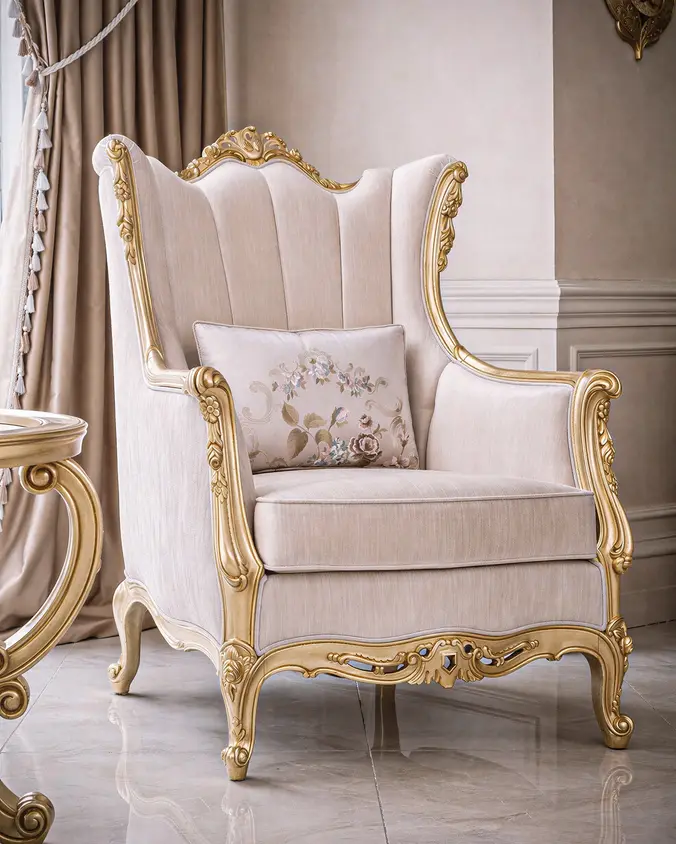
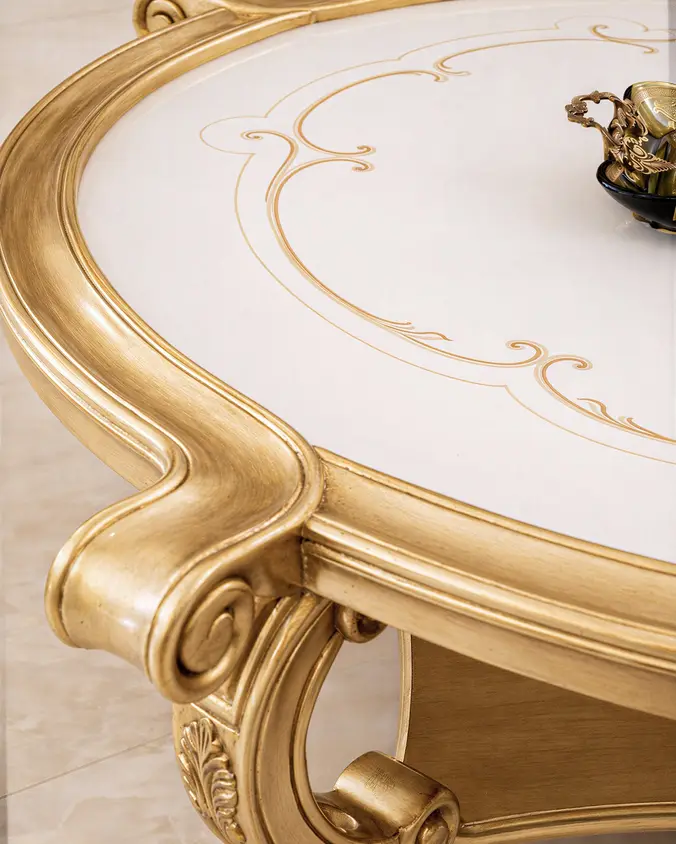
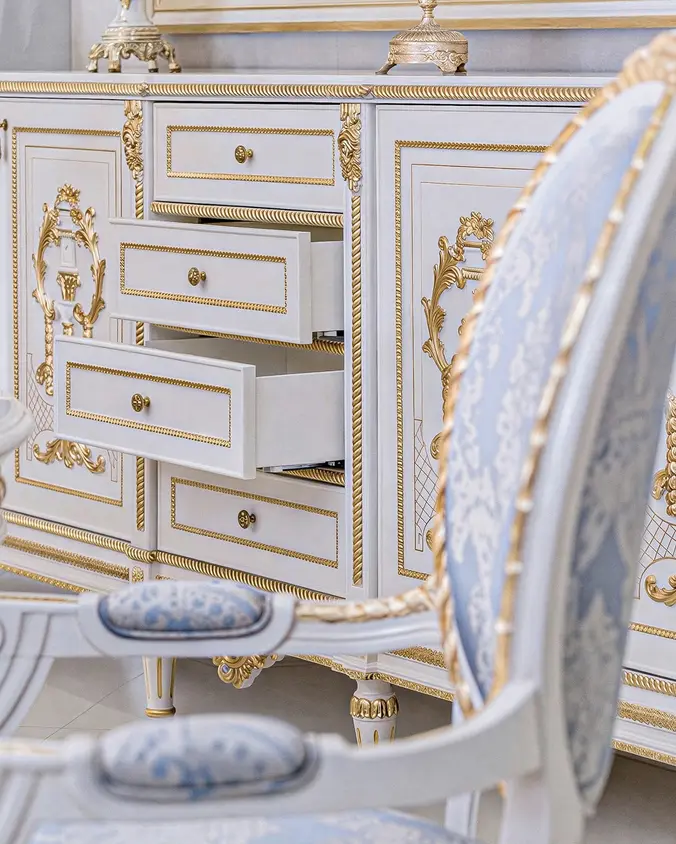
How to Recognise Quality Furniture
What to look for in the timber, the frame, the joints, the upholstery and the fabric before you judge a piece of furniture by its looks.
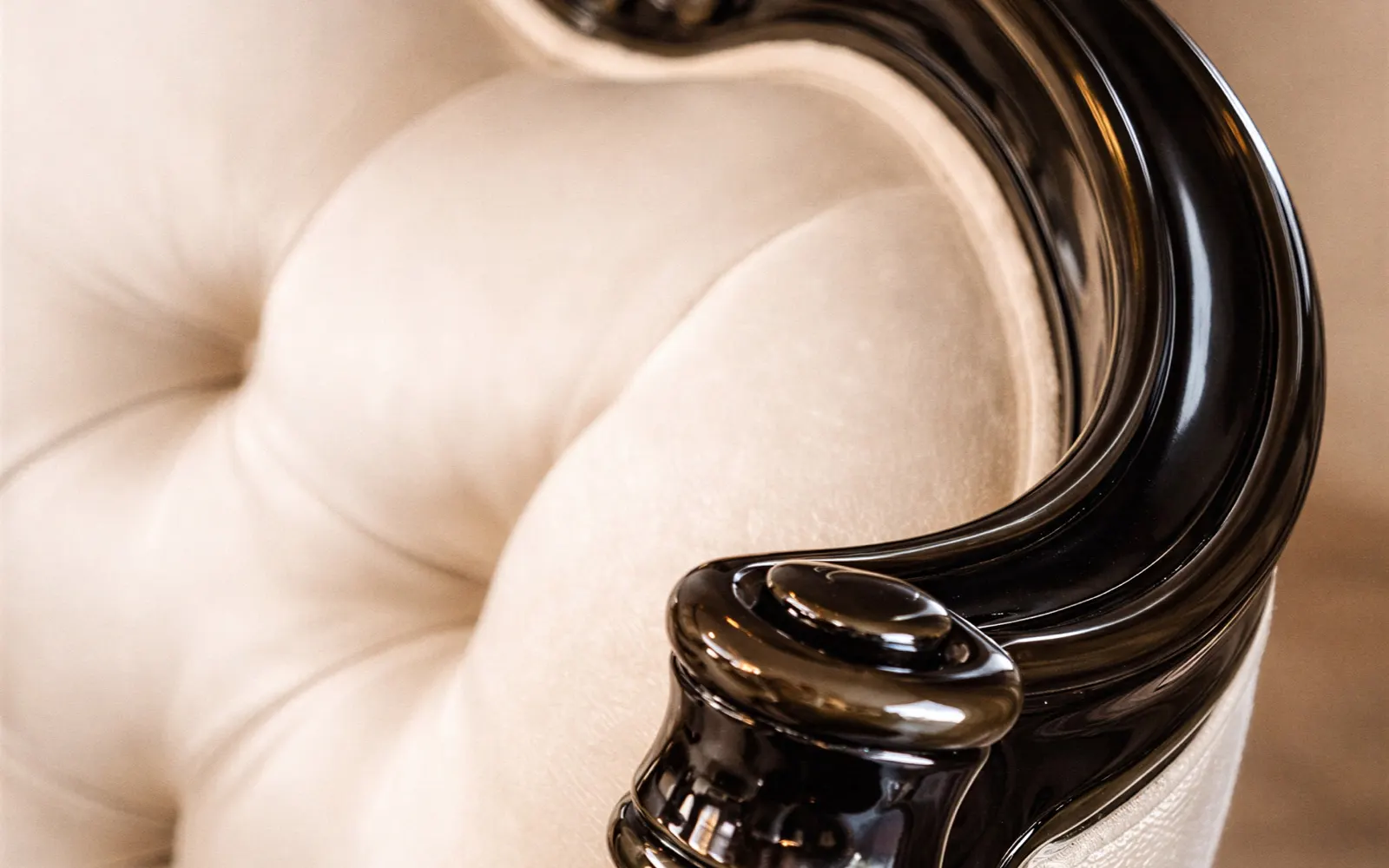
When you choose furniture, looks are the first thing you notice. To judge quality, you have to look past the surface at the materials and the decisions behind it.
Does beautiful mean well made?
A fine fabric or a glossy finish is not, on its own, a sign of quality. The structure, the joints, the layers of upholstery and the workmanship have to be considered together.
Solid wood, MDF and veneer: what is the difference?
Solid wood is natural timber. MDF is an engineered fibreboard. Veneer is a thin layer of real wood applied to a surface. Each has its proper use; what matters is that the material suits the job it is asked to do. At Artlife, frames and carved parts are solid hardwood.
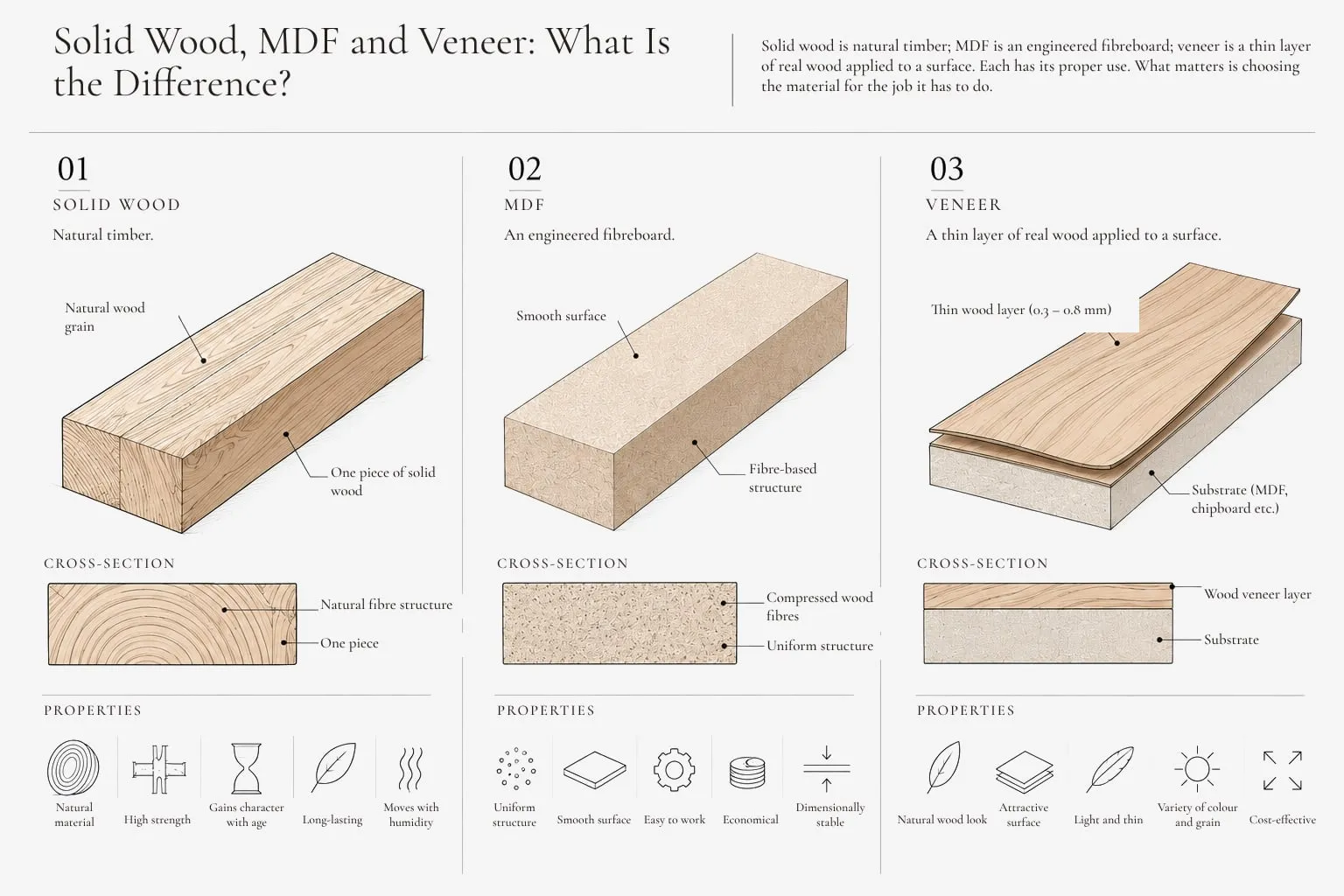
Solid wood, MDF and veneer.
What should you look for in the frame and joints?
The piece should not rock, the joints should be firm and the load-bearing parts properly connected. In seating that is used every day, the structure you cannot see decides how the piece performs over the years.
How much do foam, fabric and upholstery matter?
Seating comfort comes from the properties of the foam, the support layers beneath it and the way the upholstery is applied. The fabric should suit how often the piece is used, how it is cleaned and the room it lives in.
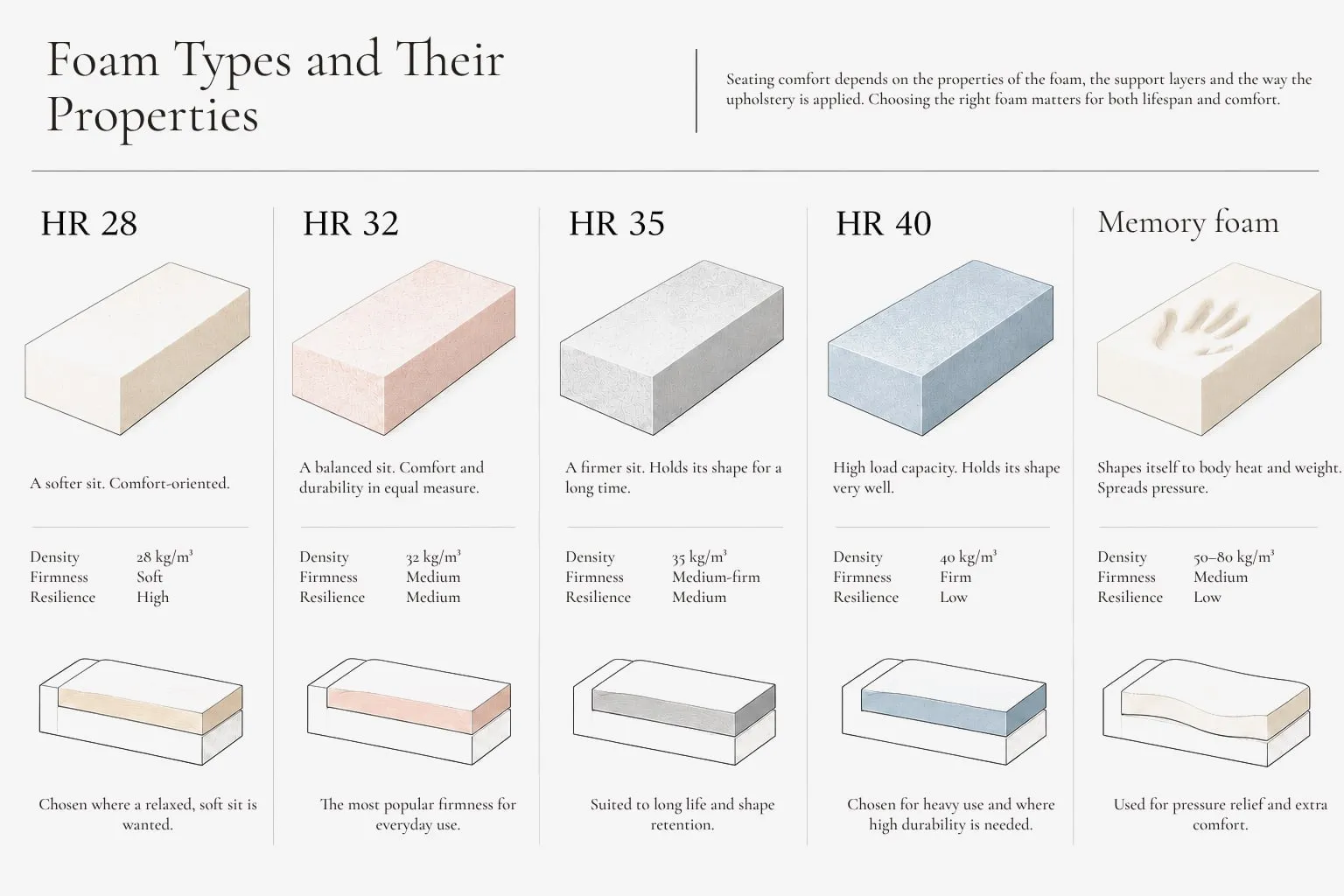
Foam types and their properties.
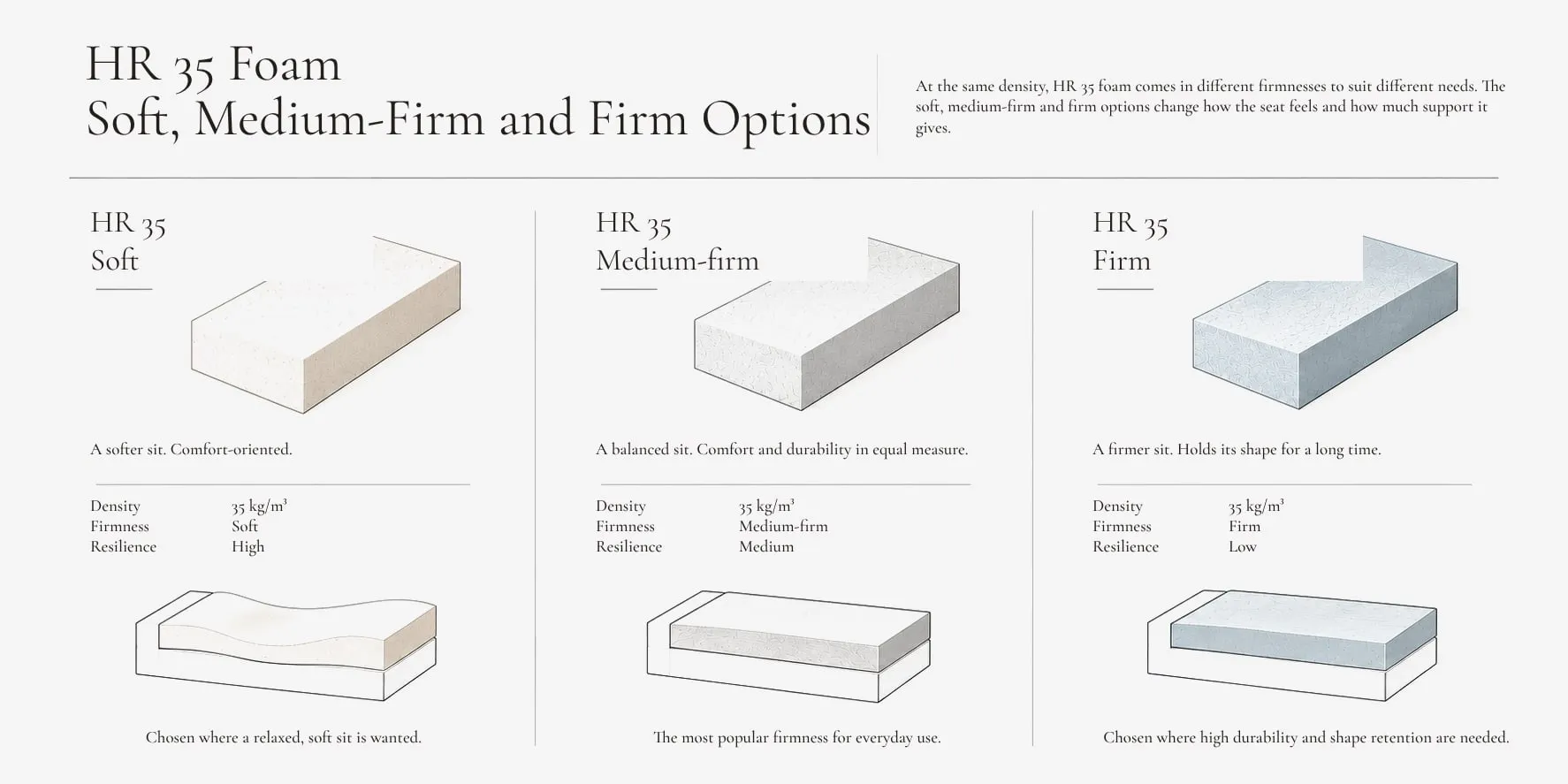
HR 35 foam: soft, medium-firm and firm.
What should you check before buying?
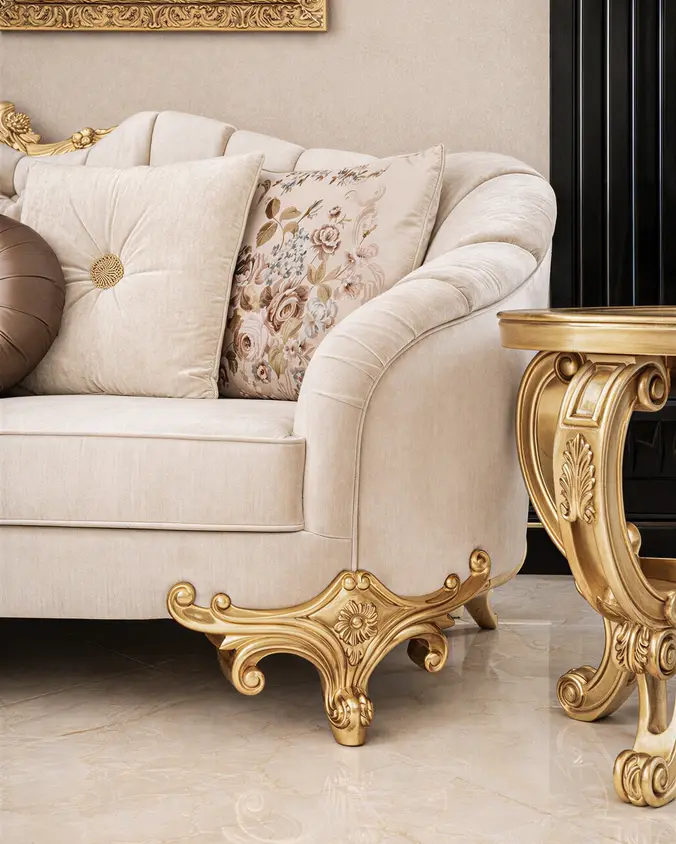
Sit on different parts of the piece. Look at the seams and the joints, and at the consistency of the veneer and finish. Ask about the materials, the care it needs and how it was made.