

How to Use Classical Furniture in a Modern Interior
Classical pieces in contemporary rooms: where an interior project starts, how a piece is adapted to the client, and how colour, light and material are brought together.
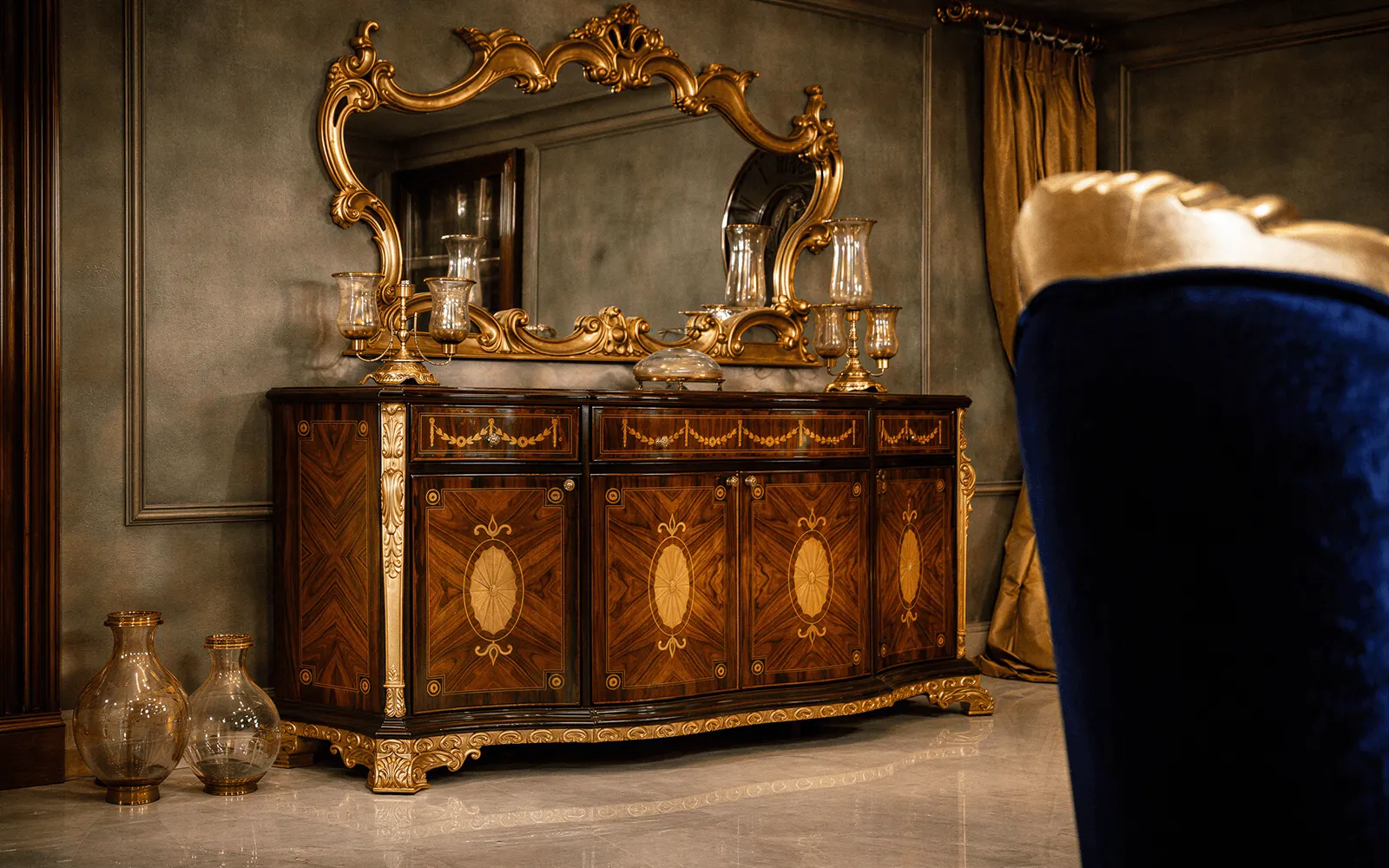
Classical furniture does not belong only to traditional rooms. With the right approach it brings balance and character to a modern living space. But a successful room is not a classical armchair placed in a contemporary lounge; the dimensions, colours and materials of the furniture have to be considered together with the architecture of the room. In our interior design work at Artlife 1974, we start from how our clients live and aim for unity between the furniture and the space.
Can classical and modern design be combined?
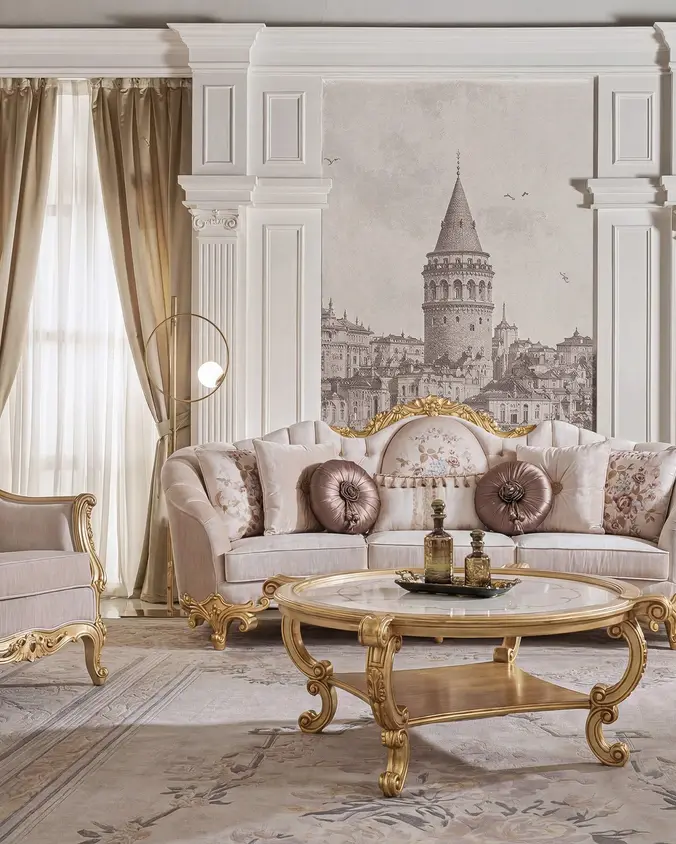
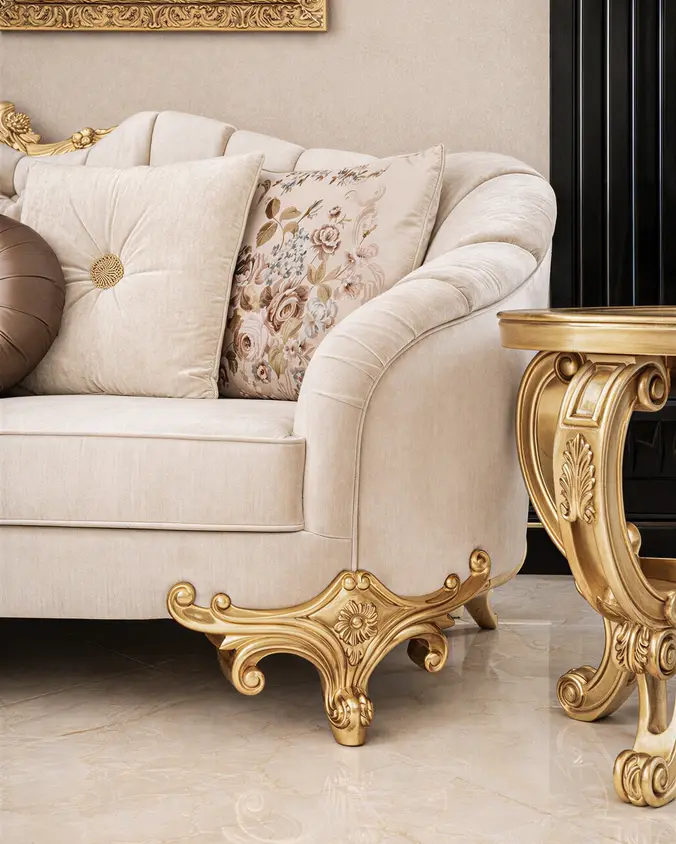
The carved details and elegant forms of classical furniture sit well against the clean lines of modern architecture. A classical seating group can be balanced with plain walls, contemporary lighting and restrained accessories, so that the furniture keeps its character while the room reads as current. The point is not to mix two styles at random but to find a design language they share.
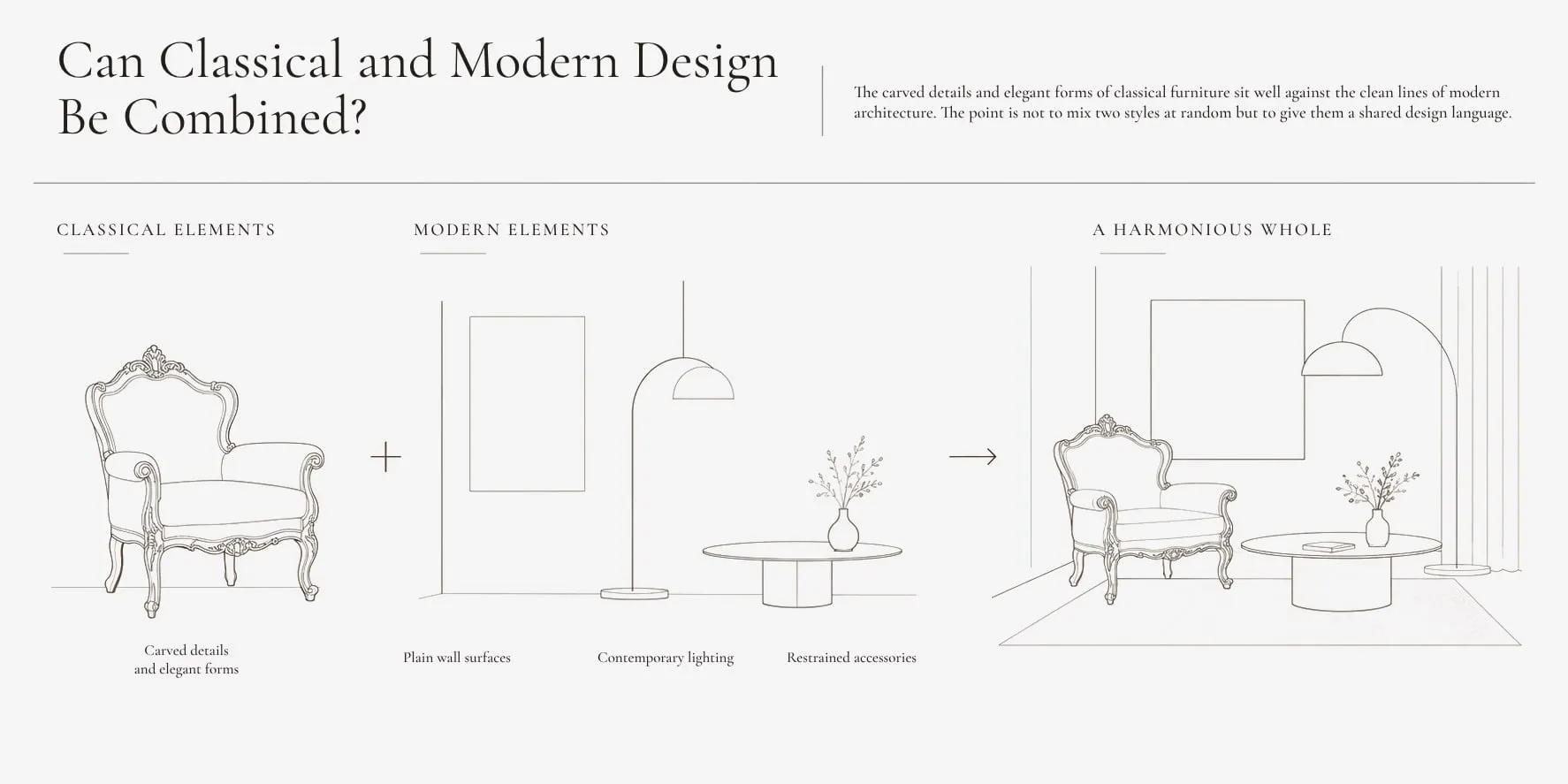
Classical elements, modern elements, a harmonious whole.
Where does an interior design project begin?
Not with choosing furniture. First come the dimensions of the room, its natural light, how it will be used and what the client expects. Then layout, colour palette, materials and lighting are planned together. The aim is not a beautiful salon for its own sake but a room that is comfortable to live in and reflects the people who live in it.
How is a classical piece adapted to the client?
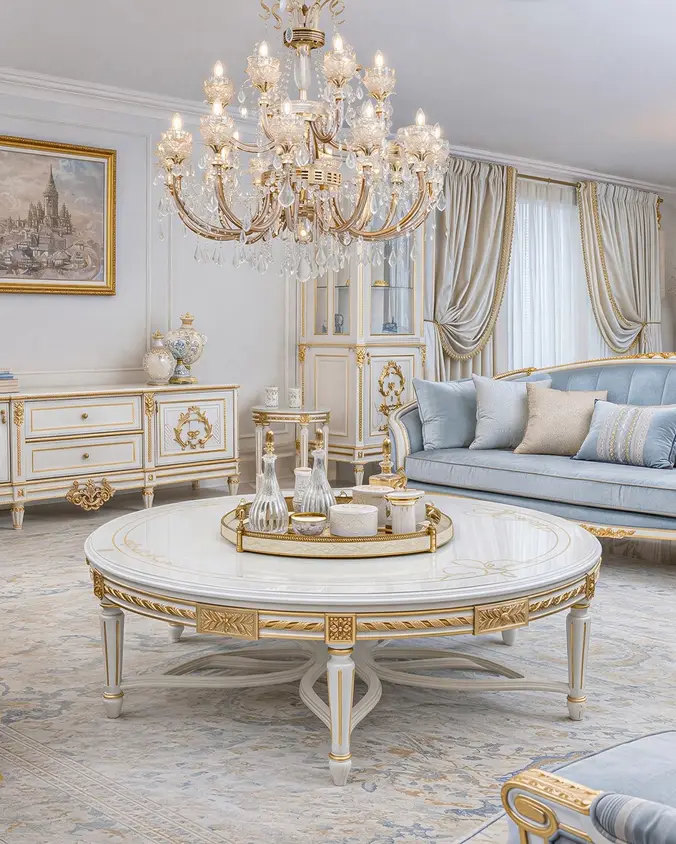
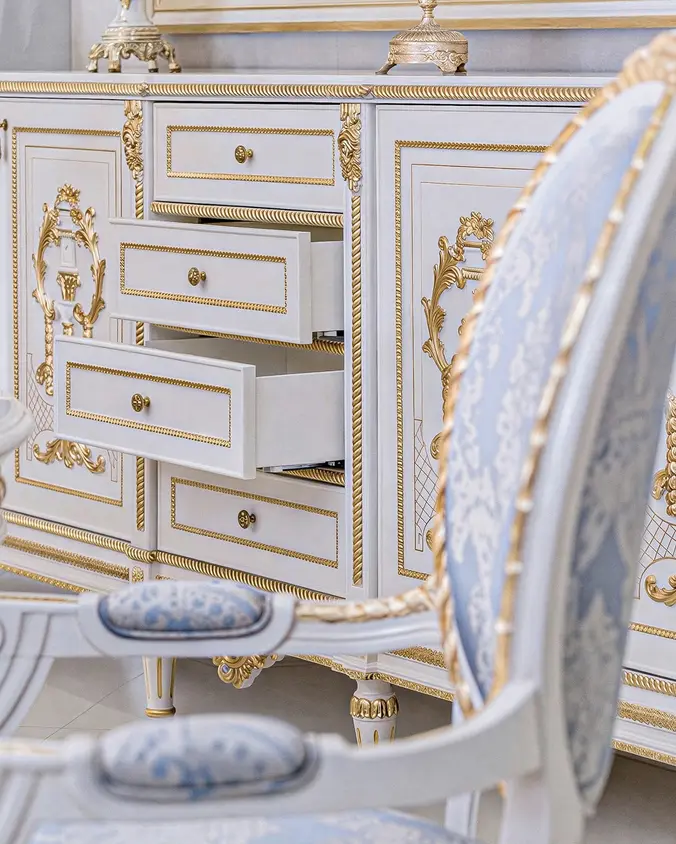
Every room has its own dimensions and every client their own taste. Within the limits of its structure, the fabric, colour, finish and size of a classical piece can be adjusted to the room. A light, modern living room may call for plainer fabrics and softer wood tones; a room meant to feel stronger may use deep colours, pronounced textures and decorative detail. Because Artlife makes its furniture in its own workshop, design decisions and interior decisions can be developed together.
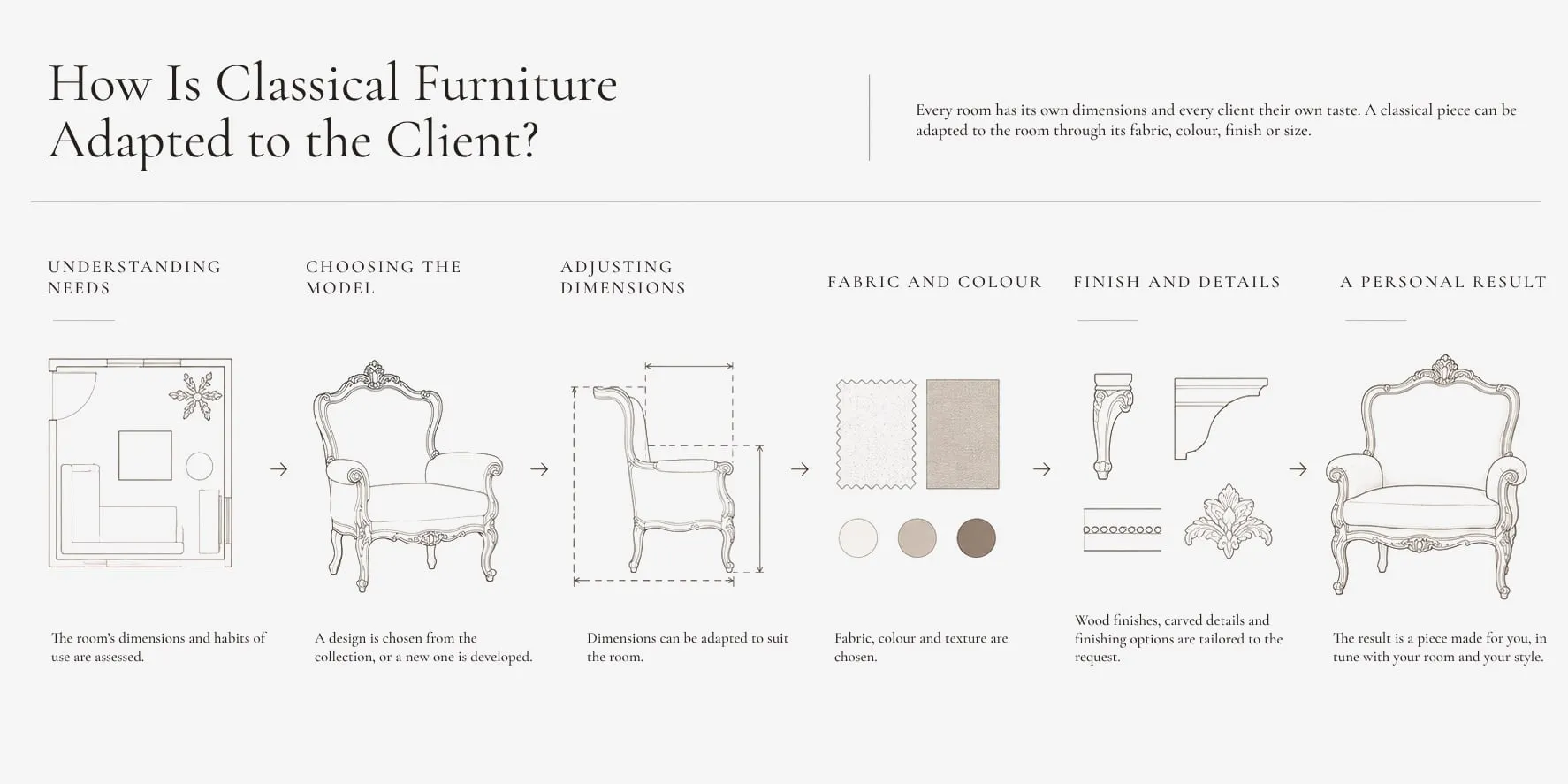
From understanding needs to a personal result: the steps of adaptation.
How are colour, light and material brought together?
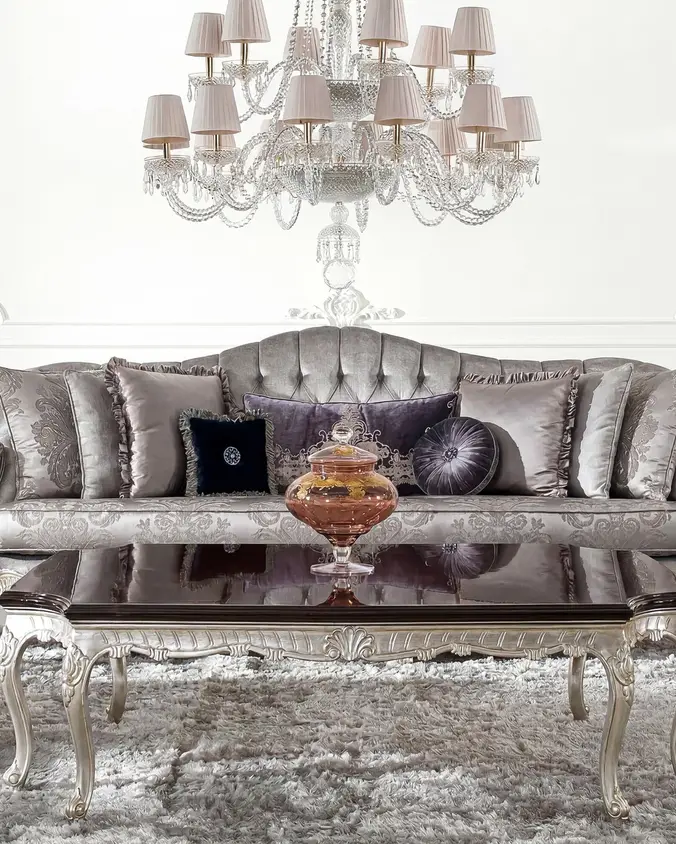
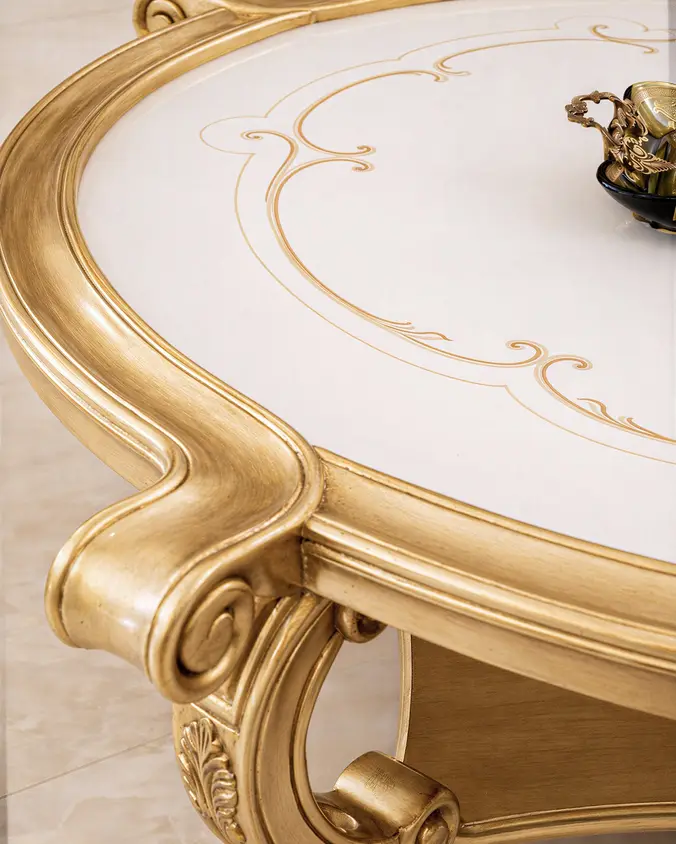
Furniture alone does not set the character of a room. Wall colours, flooring, curtains, lighting and accessories are all part of the design. The right lighting makes carved detail more legible; wood, marble, metal and fabric complement one another when they are used in balance. These elements should be judged within one shared understanding of colour and material, not one by one.
How is unity achieved between furniture and room?
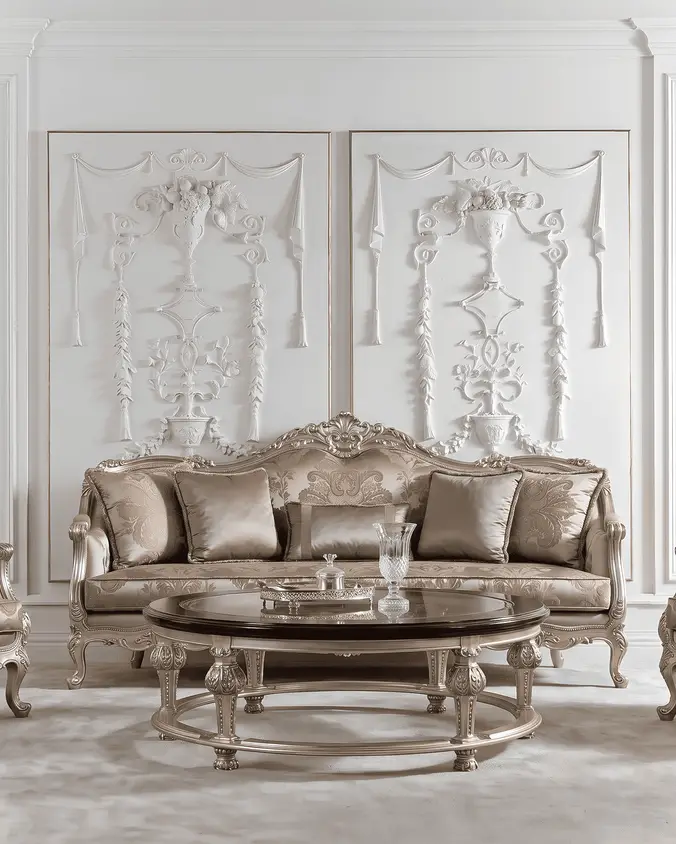
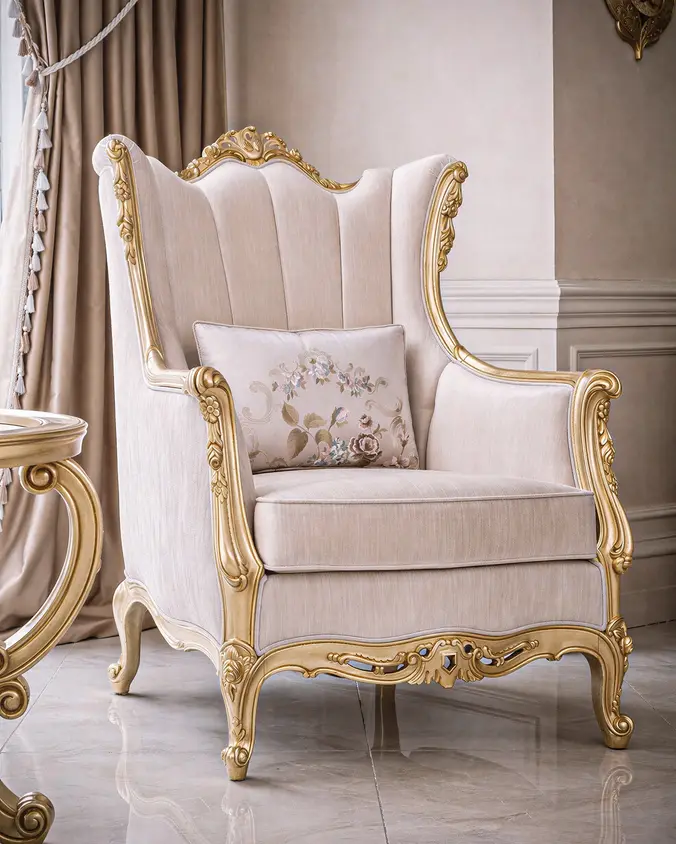
Furniture, walls, lighting and circulation should not be thought about separately. If a classical armchair is to be the focal point, the pieces around it can be quieter; in some projects the fabric and wood tone of that chair set the palette for the whole room. In our interior design work at Artlife 1974 we consider the client’s habits and the architecture of the room together. We do not simply put a piece in a suitable spot; we bring the decisions on dimension, material, colour and light into agreement.
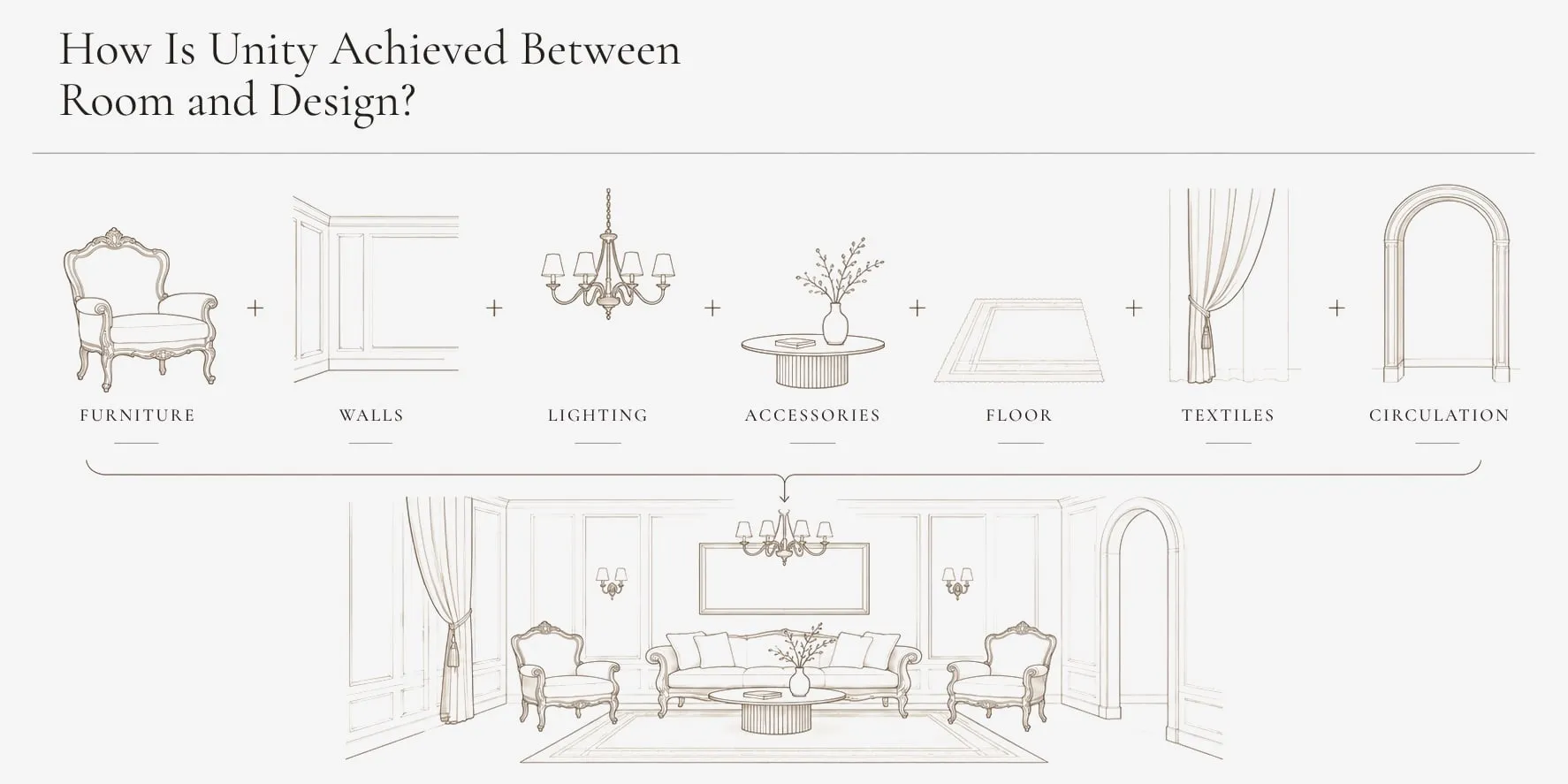
Furniture, walls, lighting, accessories, floor, textiles and circulation: one whole.